Role of Team Principals in F1 Success: Behind the Scenes Leadership
F1 NewsTuesday, 01 July 2025 at 01:52
When discussing motorsport, most think about Formula 1, as it’s the major event that attracts millions of viewers. Drivers are the face of this series, while fans closely follow what’s happening on the racetrack.
On the contrary, the real heartbeat of this dynamic contest is hidden behind the scenes, as the squad works on its future strategy, thinking over every step. The Formula 1 team principal is the key figure leading this process, and their leadership affects the future success.
It’s time to explore the influence of people we don’t usually notice on the racetrack, but who still play a massive role in F1 events.
What Is the Team Principal in F1?
In simple words, the team principal is the CEO, responsible for everything happening in the squad. His main tasks include supervising all operations from technical development to management, to guarantee that everything goes according to plan. Undeniably, the goal is understandable: victory. Unlike drivers and team members who are solely focused on a single task, principals perform multiple roles. The ability to lead the F1 club to becoming a betting favourite in non GamStop casinos requires strong management skills and leadership; otherwise, the F1 club has lower winning opportunities.
This position has existed since the tournament's early days. Decades ago, team principals were enthusiastic engineers or racing fans, but now, they operate in an environment where every detail can affect the outcome. Balancing team competitiveness with commercial attractiveness and technical elements is complex and requires extensive experience.
Key Responsibilities of an F1 Team Principal
Building strategies and giving a strong leader to the team is the primary point here. Principals establish the direction and plan future actions for the F1 club to achieve success on the racetrack. Team management is critical here, as one wrong step can result in a loss of chemistry among members.
The ability to make decisions under pressure, like during the final pit stop or when a driver is injured, is complicated, but necessary. Team principals are also responsible for budget allocation: negotiating sponsorships and efficient resources planning is key in Formula 1.
The Influence of Team Principals on Race Strategy
Formula 1 is a top-tier tournament where every step must be well-thought-out. The input of the team principal into the strategy is critical: they work closely with other members to provide their broader perspective during major contests.
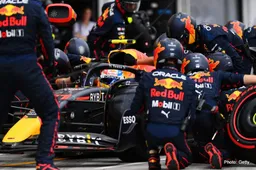
For example, the 2021 Abu Dhabi Grand Prix featured a head-to-head competition between Max Verstappen (Red Bull) and Lewis Hamilton (Ferrari). Both drivers are the undisputed F1 leaders, so neither was a clear favourite during the race. Christian Horner, the Red Bull team principal, made a decision to change tires during the final pit stop, which allowed the athlete to finish first and secure the title.
Balancing Driver Performance and Team Harmony
Managing a huge team led by a star driver is challenging, as someone is often dissatisfied with the working conditions. Balancing internal relationships, ensuring smooth chemistry, resolving conflicts – all these are the responsibilities of the principal. Keeping an eye on all processes and maintaining team harmony helps F1 clubs achieve success, but no one knows how much work lies behind it.
The Role of Team Principals in Development and Innovation
Formula 1 is a dynamic competition, and tech advancements drive its evolution. Team principals collaborate with the development department to integrate the latest innovations. Of course, they don’t design cars themselves, but are still forced to monitor every stage to remain competitive and stay a step ahead of rivals.
High-Pressure Decision-Making: Leading Through Crisis
Team principals must instantly react to crises, which are common in Formula 1. Crashes and other on-track incidents require immediate intervention that affects the race outcome or drivers’ lives. Staying calm and making decisions with a cool mind is critical in this case. Communication with the media is a separate headache, which becomes especially tough after losses.
Team Principal Leadership Styles: Contrasting Approaches
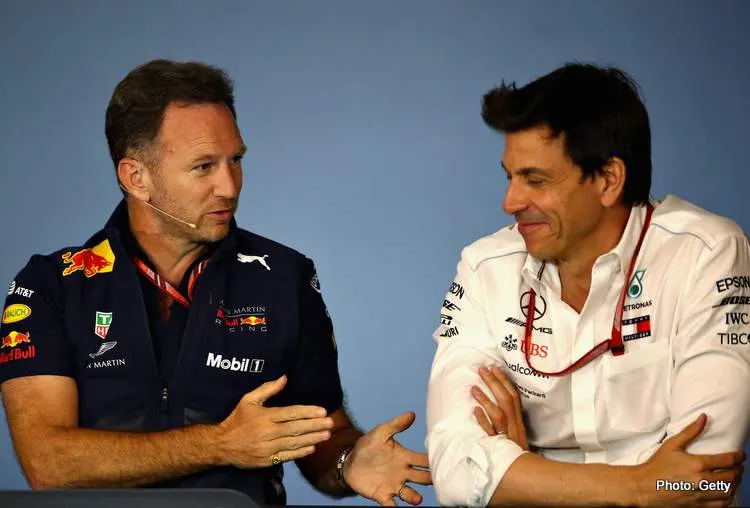
The leadership style fully depends on the principal’s individuality, and modern leading teams have completely opposite approaches. Christian Horner, the head of Red Bull, is known for his eccentric and bold decisions, which have led him to loud wins. On the contrary, Toto Wolff from Mercedes is team-focused and methodical. Sir Frank Williams concentrates on determination and innovation, and this ability eventually helped him to build an empire. All teams remain competitive through different leadership styles, making Formula 1 even more spectacular.
Drivers get all the applause that wouldn’t have happened without team principals. They form the foundation and manage all the processes before, during, and after the race to lead the F1 club to consistent success. The competitive nature of this tournament doesn’t mean that winnings are accidental, and principals take multiple behind-the-scenes roles to remain champions on the track.
Latest News

Loading