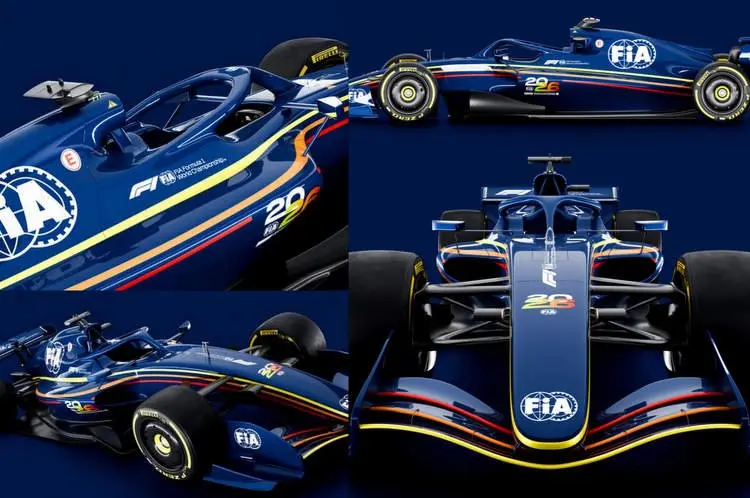
In 2026, Formula 1 steps into a new chapter that mixes sustainability, spectacle and cost control in one complicated package.
New power units, fresh aerodynamic rules and a different balance between electric and combustion power will reshape how cars look, sound and race. The next cycle is not just another update; it feels closer to a soft reboot of modern Formula 1.
Even now, development departments work in quiet mode, running simulations and experiments long before the first 2026 car appears on screen.
Fans discuss potential winners, compare past regulation changes and follow the news almost like following mərc oyunları, where small pieces of information become part of a bigger prediction puzzle. The countdown is already ticking, even if the grid still runs under the current rules.
What really changes under the engine cover

The heart of the car will stay as a 1.6-liter V6 turbo, but everything around it becomes more extreme. The electrical side receives a huge boost, with much more power coming from the MGU-K. At the same time, the complex MGU-H disappears, and that changes the way manufacturers think about energy recovery, turbo behavior and fuel usage.
The fuel itself moves toward fully sustainable blends. Synthetic and bio-based components are expected to dominate, which forces suppliers to refine efficiency rather than hunt for raw power only. The new balance between combustion and electric output should bring similar overall power, but with different delivery and strategy.
Key engine shifts teams prepare for
- higher electrical output from the MGU-K
- removal of the MGU-H and simplified turbo concepts
- sustainable fuels with stricter energy limits
- stronger focus on reliability and cost control
All these elements push manufacturers to rethink long-term projects. Engine dynos run new maps, hybrid strategies and energy deployment models, while data teams build tools to predict how a driver will manage charge and deployment on each lap without sacrificing lap time.
Aerodynamics: chasing closer racing, not just pure downforce

The new aerodynamic package for 2026 aims to keep cars stable while reducing the dirty air effect that currently makes following at close range difficult. Cars are expected to rely a bit less on extreme ground-effect tunnels and more on a balanced mix of bodywork and underfloor efficiency.
There is also a push to reduce overall drag. Lower drag means higher straight-line speed and fewer extremes in wing angles, which in theory can help smaller teams fight on tracks where top speed matters more than complex aero surfaces. At the same time, regulations try to avoid creative loopholes that would quickly restore the gap between front-runners and the rest.
How teams adjust development culture for 2026

Preparing for 2026 is not only about new parts. It is also about how organizations structure work. Technical groups split attention between current campaigns and early prototypes, wind tunnel hours and CFD budgets are divided with surgical precision, and every upgrade is judged by how easily it can translate to the new era.
By the time the first 2026 season begins, some concepts will already have survived several internal “mini seasons” of testing. In many ways, this looks similar to how content platforms or gaming ecosystems test new modes. When experimental features gain traction in environments like Plinko Azerbaycan, the successful patterns often migrate into the flagship product. The same mindset now shapes F1 projects: test, measure, refine, then commit.
Strategic priorities inside modern F1 factories
- build simulation tools that predict 2026 behavior, not only current performance
- hire and train staff who understand both combustion engineering and advanced electrification
- create flexible chassis concepts that can handle aero and power-unit changes without a full redesign
- negotiate with suppliers early to secure materials and components under the new cost caps
This mix of technical preparation and organizational planning separates teams that merely react from those that enter 2026 with a clear identity.
What fans can realistically expect on track

Predictions are always risky, but some outcomes look likely. Cars should remain incredibly fast, even if top speeds and lap times shift slightly due to drag reduction and sustainable fuels. Hybrid systems will play an even bigger role in race strategy, turning energy management into a visible part of the show.
Racing could become more dynamic on circuits that currently suffer from long DRS trains. Cleaner airflow and smarter aero rules may allow bolder moves in medium and high-speed corners. At the same time, the learning curve in the first season might bring bigger performance gaps, with some teams nailing the concept immediately and others needing a full year to catch up.
The long-term meaning of the 2026 revolution
Beyond lap times, the 2026 regulations send a message about where top-level motorsport is heading. Hybrid technology, sustainable fuels and cost awareness are no longer marketing slogans; they become structural constraints that define what is possible. F1 remains the sharp end of car performance, but that performance now has to coexist with efficiency, environmental goals and financial stability.
If the balance works, the championship keeps its identity as the fastest racing series while gaining credibility in a changing world. The 2026 rules try to prove that racing can evolve without losing its core: noise, speed, rivalry and the constant search for the next tenth of a second.
Latest News

Loading